Knowing the correct Nissan Sentra 1.8 S OEM tire size specifications saves you money, protects your drivetrain, and keeps your car driving the way Nissan intended. The wrong tire size can throw off your speedometer, reduce fuel economy, and even cause uneven wear on your suspension components. If you're replacing worn tires or shopping for a second set of wheels and rubber, this is the first detail you need to get right.
What Is the OEM Tire Size for the Nissan Sentra 1.8 S?
The Nissan Sentra 1.8 S most commonly rolls off the factory line with 195/60R15 tires. This size was standard across many model years of the 1.8-liter Sentra S trim, particularly from the early-to-mid 2000s generations. Some model years or optional packages may have included 185/65R15 tires instead, so checking your specific year is always a good move.
Here's what those numbers mean:
- 195 the tire width in millimeters across the tread
- 60 the sidewall height as a percentage of the width (aspect ratio)
- R radial construction
- 15 the wheel diameter in inches
The load index and speed rating typically paired with this size are 87H, meaning each tire supports up to 1,201 lbs and is rated for speeds up to 130 mph. That's more than enough for a daily-driven compact sedan.
Where Can I Find the OEM Tire Size on My Sentra?
You don't need to guess or rely on memory. Nissan makes it easy to find the factory-recommended tire size in two places:
- Driver's side door jamb sticker Open the driver's door and look at the sticker on the B-pillar or door edge. It lists the original tire size, recommended cold tire pressure, and load capacity.
- Owner's manual The tire and loading information section will confirm the exact OEM size for your trim and model year.
If you bought the car used and suspect the previous owner swapped wheels or tires, the door jamb sticker is your most reliable reference. It reflects what Nissan engineers designed the car around, regardless of what's currently mounted.
For a broader look at factory sizes across all Sentra trims, you can check our Sentra 1.8 tire size replacement guide which breaks down options by trim level.
Why Does Sticking to OEM Tire Size Matter?
Your Sentra's speedometer, odometer, anti-lock brakes, and traction control are all calibrated to the original tire diameter. When you change the overall tire diameter even by a small amount these systems can give you inaccurate readings or respond incorrectly in an emergency.
A tire that's too tall will make your speedometer read slower than your actual speed. A tire that's too short does the opposite. Both situations can cost you in fuel economy or, worse, in a speeding ticket you didn't see coming.
Beyond electronics, the wrong tire size can affect ride quality. A taller sidewall (higher aspect ratio) absorbs more bumps but adds body roll in corners. A shorter sidewall (lower aspect ratio) gives sharper handling but a firmer, harsher ride. Nissan picked 195/60R15 for the Sentra 1.8 S because it balances comfort and handling for everyday driving.
What Happens If I Use a Different Tire Size?
Many Sentra owners wonder if they can go up to a 16-inch wheel or swap to a wider tire. The short answer is: you can, but you need to match the overall diameter as closely as possible to the OEM spec.
For example, a common plus-one upgrade from 195/60R15 is 205/55R16. This size keeps the overall diameter nearly identical (about 24.9 inches vs. 24.2 inches) while giving you a slightly wider contact patch and a sportier look. If you're considering this kind of upgrade, our comparison of the Sentra SE-R spec versus stock tire sizes shows how different setups affect ride and performance.
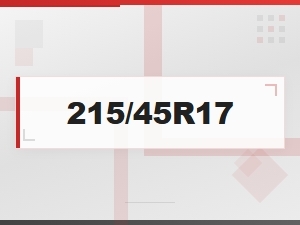
But going too far outside the OEM spec say, slapping on 215/45R17 tires can cause rubbing on the fender liner, stress on the wheel bearings, and noticeable speedometer error. Stick within a reasonable range or consult a tire professional before committing.
Common Mistakes When Replacing Sentra 1.8 S Tires
Here are the errors people make most often:
- Buying based on price alone A cheap tire that doesn't match the load index or speed rating can be dangerous. Always match or exceed the OEM specs.
- Ignoring the spare tire The temporary spare on most Sentras is a compact donut rated for limited use. Make sure your full-size replacement tires are all the same size, including the one in the trunk if you've replaced it.
- Mixing tire sizes or brands Running two different sizes or mixing brands on the same axle causes uneven handling and accelerated wear. Replace tires in pairs at minimum, ideally all four.
- Forgetting about the tire pressure monitoring system (TPMS) New tires don't reset the TPMS automatically. You may need to have the sensors reprogrammed or replaced if the valve-stem units are old.
What Tire Pressure Should I Run on the Sentra 1.8 S?
Nissan recommends 33 psi for the front and rear tires on most Sentra 1.8 S model years. Check your door jamb sticker to confirm, since some years vary slightly. Don't inflate to the maximum pressure listed on the tire sidewall that number is the tire's limit, not the car manufacturer's recommendation.
Proper inflation is just as important as correct tire size. Under-inflated tires wear on the edges, overheat, and hurt fuel economy. Over-inflated tires wear in the center and give a harsher ride.
For full details on recommended specs across all Sentra 1.8 trims, see our detailed OEM tire size specifications page.
Which Tire Brands Work Well on the Sentra 1.8 S?
With 195/60R15 being a common size, you have plenty of options. Popular choices among Sentra owners include:
- Michelin Defender T+H long tread life, quiet ride, and strong wet traction
- Continental TrueContact Tour good all-season grip and fuel efficiency
- Bridgestone Ecopia EP422 Plus low rolling resistance for better MPG
- General AltiMAX RT45 solid budget option with decent treadwear warranty
Choose based on your priorities: tread life, ride comfort, fuel economy, or price. Just make sure the tire carries the correct 195/60R15 size with an 87H or higher load index and speed rating.
How Often Should I Replace the Tires?
Most all-season tires last between 40,000 and 70,000 miles depending on driving habits, road conditions, and rotation schedule. Rotate your tires every 5,000 to 7,500 miles to promote even wear. When the tread depth drops to 2/32 of an inch, it's time to replace them the penny test works fine for a quick check.
Reference typography resources like Montserrat are great if you're designing garage signage or tire spec sheets for personal reference, though that's beside the point for most owners just trying to get the right rubber on the road.
Quick Checklist Before You Buy New Tires
- ✅ Confirm your exact model year and trim on the door jamb sticker
- ✅ Match the OEM size: 195/60R15 87H
- ✅ Check the load index and speed rating don't go below OEM spec
- ✅ Set tire pressure to the manufacturer's recommendation (typically 33 psi)
- ✅ Replace tires in pairs (same axle) or all four together
- ✅ Schedule a tire rotation every 5,000–7,500 miles to extend tread life
- ✅ Ask the shop to inspect TPMS sensors during installation
Getting the right tires on your Sentra 1.8 S isn't complicated, but cutting corners on size or spec can lead to problems down the road. Use the door jamb sticker as your source of truth, match the OEM numbers, and you'll keep the car running safe and smooth for thousands of miles.
 Nissan Sentra 1.8 Tire Size by Trim Level - Replacement Guide
 Nissan Sentra Se-R Spec V Stock Tire Size
 Nissan Sentra Base Model Original Equipment Tire Size by Trim Level
 Nissan Sentra Factory Tire Size by Trim Level
 Nissan Sentra Recommended Tire Pressure - Psi Guide for All Models
 Nissan Sentra Se-R Tire Size Upgrade Recommendations Guide