Buying new tires for your Nissan Sentra sounds simple until you see a sidewall full of numbers, letters, and codes like "87H" or "91V." Those aren't random. They're the tire's load index and speed rating, and they tell you exactly how much weight each tire can carry and how fast it can safely go. Get these wrong, and you risk poor handling, faster wear, or even a blowout. Getting them right keeps your Sentra safe, efficient, and riding the way Nissan intended.
What Do Tire Load and Speed Ratings Actually Mean?
Every tire has two ratings printed on its sidewall right after the size code. The load index is a number (usually between 70 and 110 for passenger cars) that corresponds to the maximum weight a single tire can support. The speed rating is a letter that tells you the tire's maximum safe speed under its rated load.
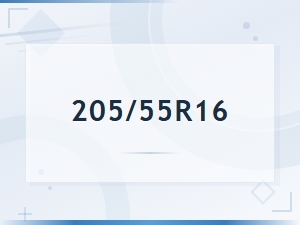
For example, a tire marked 205/55R16 87H breaks down like this:
- 205/55R16 tire size (width, aspect ratio, rim diameter)
- 87 load index (each tire supports up to 545 kg / 1,201 lbs)
- H speed rating (rated for up to 210 km/h / 130 mph)
Together, load index and speed rating form a shorthand that tells you whether a tire is safe and appropriate for your vehicle. You can learn more about the full Nissan Sentra default tire size and OEM specifications to see how these ratings fit into the bigger picture.
What Are the OEM Load Index and Speed Ratings for the Nissan Sentra?
The exact numbers depend on your Sentra's model year and trim. Here's what Nissan typically specifies:
Nissan Sentra (2020–2025, 8th Generation)
- S and SV trims: 205/60R16 91V or 92H load index 91–92, speed rating H (130 mph) or V (149 mph)
- SR trim: 215/45R17 87V load index 87, speed rating V (149 mph)
- SR Midnight Edition / Platinum: 215/45R17 87V
Nissan Sentra (2013–2019, 7th Generation)
- Base/S/SV: 205/55R16 89H or 91H
- SR/SL: 205/50R17 88V or 89V
The load index for most Sentra trims falls between 87 and 92, which translates to roughly 545 kg to 630 kg (1,201 to 1,389 lbs) per tire. Speed ratings are typically H (130 mph / 210 km/h) or V (149 mph / 241 km/h) depending on trim.
How Do I Find the Right Load and Speed Rating for My Sentra?
The most reliable source is the driver's side door jamb sticker. This placard shows Nissan's recommended tire size, load index, and inflation pressure. You'll also find the original tire specs in your owner's manual.
A few things to keep in mind:
- Match or exceed the OEM load index. Never go below it. A lower load index means the tire can't safely handle your car's weight plus passengers and cargo.
- Match or exceed the OEM speed rating. Going one step up (e.g., H to V) is fine. Going below the factory rating changes how the tire performs at highway speeds.
- Check all four tires. Load and speed ratings should be consistent across the axle at minimum ideally across all four tires.
If you're unsure what came on your Sentra from the factory, our guide to stock tire sizes for performance driving covers OEM specs by trim and year.
What Happens If I Use a Tire With the Wrong Rating?
Using tires with a lower load index than required is genuinely dangerous. Here's what can go wrong:
- Under-rated load index: The tire can overheat under a full load (passengers, luggage, highway driving), increasing the risk of a blowout. It also causes uneven tread wear.
- Under-rated speed rating: At sustained high speeds, the tire may deform or fail. Even if you don't drive 130 mph, a lower speed-rated tire often uses a stiffer compound that handles heat differently.
- Mismatched ratings between tires: This creates uneven braking distances and unpredictable handling, especially in wet conditions.
The common mistake here is focusing only on tire size and assuming load and speed ratings don't matter. They do and they're separate from size. Two tires in the same size (say, 205/60R16) can have completely different load indexes and speed ratings.
Can I Put a Higher Speed Rating Tire on My Sentra?
Yes, and many Sentra owners do this intentionally. Upgrading from an H-rated tire to a V-rated tire is perfectly safe. You'll often get a tire with a more responsive sidewall and slightly better grip. The trade-off is that higher speed-rated tires tend to wear a bit faster and cost more.
Just don't go the other direction. If your Sentra came with V-rated tires from the factory (like the SR trim), don't install H-rated tires to save money. The performance characteristics were designed around that higher rating.
How Does Tire Inflation Connect to Load Rating?
This is the part most people miss. A tire's load rating assumes it's inflated to the correct pressure. If your Sentra's door jamb says 33 psi and you're running 28 psi, the tire can't carry its rated load safely. Underinflation is the number one cause of premature tire failure in passenger cars.
Check your tire pressure at least once a month and always before a long trip. Use the pressure listed on the door jamb sticker not the "max psi" number printed on the tire sidewall. That's the tire's maximum capacity, not the recommended operating pressure.
Quick Reference: Load Index Numbers for the Nissan Sentra
Here are the most common load indexes you'll see for the Sentra:
- 87 = 545 kg (1,201 lbs) per tire
- 88 = 560 kg (1,235 lbs) per tire
- 89 = 580 kg (1,279 lbs) per tire
- 91 = 615 kg (1,356 lbs) per tire
- 92 = 630 kg (1,389 lbs) per tire
Quick Reference: Speed Rating Letters
- H = 130 mph (210 km/h)
- V = 149 mph (241 km/h)
- W = 168 mph (270 km/h) rarely used on Sentras, but sometimes installed by owners
You can always find the full load and speed rating specs for every Sentra model year in our detailed reference.
Do Winter Tires Need the Same Load and Speed Rating?
Load index yes, always match or exceed it. Speed rating you have a little more flexibility with winter tires. Many winter tire manufacturers offer T-rated (118 mph / 190 km/h) or H-rated options for vehicles that normally use V-rated all-season tires. This is acceptable because you're not driving at top speeds in winter conditions. That said, always check your owner's manual for Nissan's specific guidance.
What About Plus-Sizing My Sentra's Wheels?
If you move from 16-inch to 17-inch wheels, you'll need lower-profile tires to maintain the same overall diameter. When you change tire dimensions, the load index and speed rating still need to meet or exceed the OEM minimums. This is where many Sentra owners run into trouble they focus on the wheel look and forget to verify the tire specs on the new rubber.
Practical Next Step Checklist
- Check your door jamb sticker note the exact tire size, load index, and inflation pressure.
- Verify your current tires read the sidewall and confirm the load index and speed rating match the sticker.
- When shopping for replacements filter by the correct size first, then confirm the load index and speed rating before buying.
- Don't mix ratings across an axle both front tires should match, and both rear tires should match.
- Check pressure monthly correct inflation is what makes the load rating actually work.
- Keep your receipt and tire warranty if a tire fails within its rated conditions, the warranty covers it.
 Nissan Sentra Oem Tire Specifications and Replacement Guide
 Nissan Sentra Oem Tire Size Specifications by Year and Trim
 Nissan Sentra Tire Size by Trim & Engine – Oem Specs
 Nissan Sentra Stock Tire Size for Performance Driving
 Nissan Sentra Recommended Tire Pressure - Psi Guide for All Models
 Nissan Sentra Se-R Tire Size Upgrade Recommendations Guide