If you drive a Nissan Sentra and your tires are wearing out, knowing the correct OEM tire specifications saves you money, keeps your car safe, and avoids handling problems on the road. Many Sentra owners walk into a tire shop without this information and end up with tires that don't match their vehicle's original design. That mismatch can lead to a rougher ride, faster wear, poor fuel economy, or even dashboard warning lights. Getting the right specs upfront means you replace your tires once correctly.
What size tires does a Nissan Sentra come with from the factory?
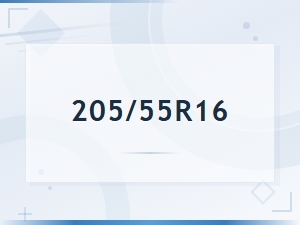
The most common OEM tire size for the Nissan Sentra is P205/55R16, but this varies by model year and trim level. Some trims use 15-inch wheels while others, especially newer SR and SR Turbo trims, come equipped with 17-inch or even 18-inch wheels. The tire size is printed on a sticker inside the driver's side door jamb and in your owner's manual. You can also find detailed information by checking the default tire size for each Sentra model year to match exactly what your car came with.
Here's a quick breakdown of common Sentra tire sizes by generation:
- 2013–2019 Sentra (B17): P205/55R16 or P205/50R17 depending on trim
- 2020–2024 Sentra (B18): 205/60R16 or 215/45R18 for SR trim
- 2007–2012 Sentra (B16): P205/55R16 or P195/65R15 on base models
Why should I stick with OEM tire specifications instead of going cheaper?
OEM tires are chosen by Nissan engineers to work with the Sentra's suspension geometry, braking system, and electronic stability control. The tire diameter, load index, and speed rating all play a part in how the car handles in emergency stops, sharp turns, and wet conditions. When you swap in tires that don't match these specs, your anti-lock braking system and traction control may not respond the way Nissan intended.
That said, sticking to OEM specs doesn't mean you must buy the exact same tire brand. You can choose a different manufacturer like Michelin, Continental, or Bridgestone as long as the size, load rating, and speed rating match. For a full comparison, this OEM tire specifications reference lays out what to look for across different Sentra years.
How do I read the tire code printed on my Sentra's sidewall?
Every tire has a code molded into the rubber that tells you its specifications. Take 205/55R16 91V as an example:
- 205 Tire width in millimeters from sidewall to sidewall
- 55 Aspect ratio (sidewall height is 55% of the width)
- R Radial construction
- 16 Wheel diameter in inches
- 91 Load index (each tire supports up to 615 kg or 1,356 lbs)
- V Speed rating (rated up to 149 mph / 240 km/h)
Understanding this code is the single most useful skill when shopping for replacement tires. It lets you compare options confidently at any tire shop or online store.
What happens if I install the wrong tire size on my Sentra?
Will it affect my speedometer?
Yes. A tire with a different overall diameter than the OEM spec throws off your speedometer reading. A slightly larger tire makes your speedometer read slower than your actual speed, while a smaller tire does the opposite. Over time, this also affects your odometer and can mess with scheduled maintenance intervals if you're tracking mileage.
Can it damage my transmission or suspension?
On front-wheel-drive vehicles like the Sentra, mismatched tire diameters between front and rear or even side to side put extra stress on the differential. On newer Sentras with CVT transmissions, the continuously variable transmission relies on consistent wheel speed data. Wrong-sized tires can confuse the system and accelerate wear on internal components.
Will my TPMS light stay on?
Your tire pressure monitoring system is calibrated for specific tire pressures tied to the OEM tire size. Installing a different size without recalibrating can cause the TPMS warning light to stay on even when the tires are properly inflated, which becomes a nuisance and may mask a real pressure issue.
Do all Sentra trims use the same tire specifications?
No. Even within the same model year, different trims can have different tire sizes, wheel sizes, and load ratings. The base S trim usually gets smaller wheels and higher-profile tires, while sportier trims like the SR get larger wheels with lower-profile tires. This is one reason why checking your specific trim and year matters so much. If you're looking at how stock tire sizes relate to spirited or performance driving, stock tire sizes for performance driving covers that angle.
What are the most common mistakes when replacing Sentra tires?
- Only matching the width number. A 205/60R16 and a 205/55R16 are both 205 mm wide, but they have very different sidewall heights. The overall diameter is not the same, and that causes speedometer errors and clearance issues.
- Ignoring the load index. Putting a tire with a lower load index than OEM means the tire can't safely carry the weight Nissan designed it for. This matters most when the car is loaded with passengers and cargo.
- Skipping the speed rating. A lower speed rating than OEM can affect braking performance at highway speeds. For daily driving, matching the original V or H rating is the safe call.
- Buying only two tires at a time without matching tread depth. If you pair new tires with half-worn ones, the difference in diameter even a few millimeters stresses drivetrain components on the Sentra.
- Forgetting the spare tire. Many Sentras come with a temporary spare that has strict speed and distance limits. Don't assume your full-size tire replacement plan covers the spare.
What tire pressure should I run on my Sentra?
Nissan recommends 33 PSI for most Sentra models, but the exact number is on the door jamb sticker not on the tire sidewall. The number on the tire is the maximum pressure the tire can handle, not the recommended operating pressure. Running tires at max pressure gives you a harsher ride and uneven center tread wear. Running below recommended pressure causes poor fuel economy, overheating, and faster edge wear.
Check tire pressure when the tires are cold meaning the car hasn't been driven for at least three hours. Temperature changes affect pressure by about 1 PSI for every 10°F shift in ambient temperature, so recheck as seasons change.
Can I use all-season tires on my Sentra year-round?
Most Sentras ship with all-season tires from the factory, and for drivers in moderate climates, they work well year-round. They handle light rain, dry roads, and mild cold adequately. If you live in an area with heavy snow or ice, dedicated winter tires outperform all-seasons in braking distance and grip by a wide margin. The key is to match the OEM size and ratings even when switching between seasonal sets. Some owners keep a second set of wheels with winter tires mounted, making the swap faster and protecting their summer wheels from salt and grime.
How long do OEM-spec tires typically last on a Sentra?
Most all-season tires rated for the Sentra carry a treadwear warranty between 40,000 and 70,000 miles. Real-world lifespan depends on driving habits, road conditions, alignment, and rotation schedule. Aggressive driving, hard braking, and skipped rotations cut that number significantly. Rotating tires every 5,000 to 7,500 miles roughly at every oil change helps even out wear and gets you closer to the full treadwear rating.
Quick checklist before buying replacement tires for your Sentra
- Check your door jamb sticker for the exact tire size, load index, and recommended pressure
- Match the full tire code width, aspect ratio, rim diameter, load index, and speed rating
- Verify your trim level and model year since specs vary even within the same generation
- Buy in sets of four whenever possible to avoid drivetrain stress from mismatched diameters
- Ask about the TPMS sensor some tire shops charge extra to transfer or reprogram sensors during installation
- Schedule an alignment after installing new tires to prevent uneven wear from the start
Next step: Grab your owner's manual or check the door jamb sticker right now, write down the full tire code, and bring it with you when shopping. That one step eliminates the guesswork and puts you in control of what goes on your car. If you want to dive deeper into how your specific Sentra's specs compare across model years, browse through the resources linked above to make sure your next set of tires matches exactly what Nissan designed your car to run on.
 Nissan Sentra Oem Tire Size Specifications by Year and Trim
 Nissan Sentra Oem Tire Load Index and Speed Rating Specifications by Year
 Nissan Sentra Tire Size by Trim & Engine – Oem Specs
 Nissan Sentra Stock Tire Size for Performance Driving
 Nissan Sentra Recommended Tire Pressure - Psi Guide for All Models
 Nissan Sentra Se-R Tire Size Upgrade Recommendations Guide